A Smarter Way to Build a Multi-Purpose Performing Arts Room
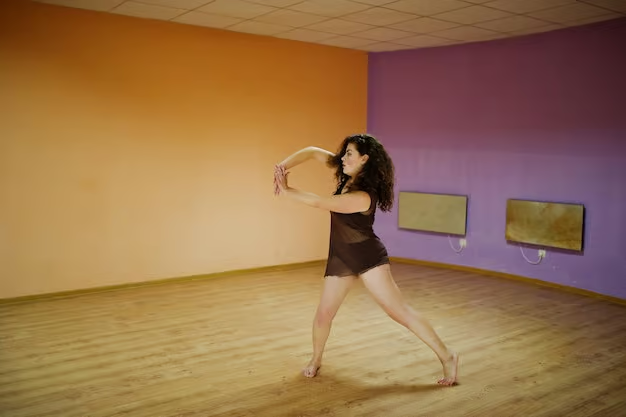
Image: Freepik
A homeowner doesn’t need a spare wing or a black box theater to carve out a serious performing arts studio at home. With a few smart design moves, one room can host rehearsals, small performances, recordings, workouts, and quiet downtime without feeling cluttered or compromised. The challenge is balancing flexibility with intention so the space supports creativity instead of fighting it.
Takeaways
- A neutral base design makes it easier to switch between creative and everyday uses
- Sound, lighting, and storage matter more than square footage
- Modular furniture keeps the room adaptable without constant setup stress
- Thoughtful upgrades can add long-term value to your home
Clarifying the Room’s Main Function First
Before buying mirrors or rolling in a keyboard, define how the room will work on a typical week. A dance-focused room needs resilient flooring and clear wall spans, while a music-forward space leans harder on acoustics and electrical access. When you name the primary and secondary uses upfront, design decisions get simpler and costs stay contained. This clarity also helps you avoid overbuilding features you will rarely use.
Sound, Light, and Flow Make or Break the Room
Performance spaces live or die by sensory comfort. Even a modest investment in sound control can dramatically improve usability for music, theater, or spoken word. Lighting should be adjustable, not decorative, allowing the room to shift from rehearsal brightness to performance mood in seconds. Clear walking paths and unobstructed corners keep performers safe and make the room feel larger than it is.
Here is a simple comparison to help prioritize upgrades based on use:
| Primary Use | Top Priority | Secondary Focus |
| Dance | Flooring grip and shock absorption | Mirrors and lighting |
| Music | Sound absorption | Electrical layout |
| Theater | Flexible lighting | Clear wall space |
| Mixed use | Storage and modular layout | Neutral finishes |
Simple Ways to Keep the Room Flexible
The most successful multi-purpose rooms rely on restraint. Instead of locking the room into a single identity, they use adaptable elements that move or disappear when needed. These practical choices help the room shift roles without constant rearranging:
- Rolling storage for props, instruments, or mats
- Foldable or stackable seating for small audiences
- Wall-mounted bars, hooks, or rails that clear the floor
- Neutral wall colors that suit multiple art forms
How to Set Up the Space Without Overthinking It
A structured approach helps you move from idea to usable room without spiraling into endless tweaks. Use the steps below as a grounding sequence to move from concept to completion:
- Measure the room and mark clear performance zones
- Decide which items must stay visible and which can be stored
- Add sound and light improvements before décor
- Test the layout with a real rehearsal
- Adjust storage and furniture placement based on use
Funding Improvements
Upgrading a room for creative use often comes down to timing and cash flow. A cash-out refinance can open up funds by replacing your current mortgage with a larger one and giving you the difference in cash to use as you see fit. Many homeowners use this option to cover flooring, lighting, or sound upgrades that would otherwise be delayed. Qualification usually depends on a credit score around 620 or higher, enough equity in the home, reliable income, and a manageable debt-to-income ratio. Because terms and costs vary, it’s smart to review 30 year cash out refinance rates before deciding if this path fits your renovation plans.
FAQs for Homeowners
Before committing to materials or equipment, homeowners often want clarity. The questions below address practical concerns.
Is specialized flooring worth the investment?
For dance or movement-heavy use, specialized flooring reduces injury risk and protects joints over time. It also holds up better under repeated impact than standard finishes. Even in a mixed-use room, it can be a strong long-term upgrade.
How much soundproofing is actually necessary?
Most at-home studios benefit more from sound treatment than full soundproofing. Panels, rugs, and curtains manage echo and clarity without major construction. True soundproofing is usually only needed if noise conflicts with neighbors or sleeping areas.
Will this kind of room hurt resale value?
When designed with neutral finishes and removable elements, it rarely does. Buyers often see it as a flexible bonus room rather than a niche space. Avoid permanent features that limit future use.
Do I need professional lighting?
Not always, but adjustable lighting is important. Simple track systems or dimmable fixtures offer control without theatrical complexity. The goal is flexibility, not spectacle.
How long does a typical setup take?
Once designed well, switching uses should take minutes, not hours. Storage and mobility are what keep setup time short. If it feels cumbersome, the layout likely needs refinement.
Bringing It All Together
A multi-purpose performing arts room works best when it respects both creativity and everyday living. By focusing on flexibility, sensory comfort, and smart sequencing, homeowners can create a space that feels intentional without being rigid. The result is a room that adapts as easily as your interests do. When done right, it becomes one of the most rewarding spaces in the home.