
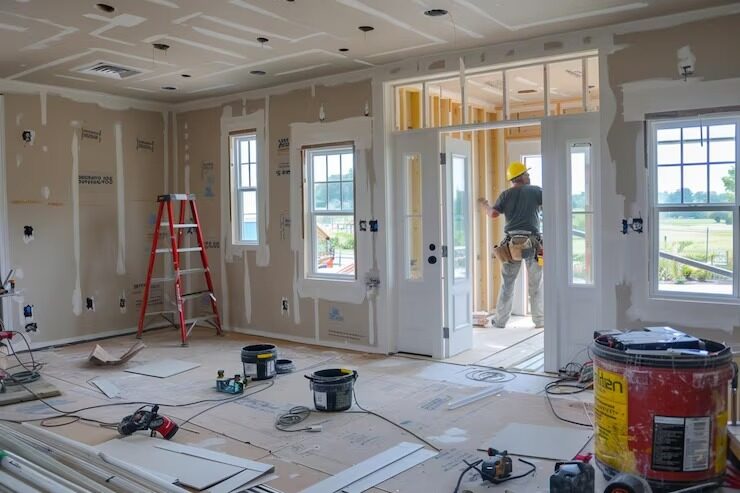
A well-planned bathroom renovation can improve the comfort, functionality, and appearance of your home. Whether you want to update outdated fixtures, improve storage, replace damaged tiles, or create a modern bathroom design, careful planning can help you achieve a practical and attractive result. By selecting suitable materials, improving lighting, and addressing plumbing requirements, you can create a bathroom that meets your everyday needs while supporting your property’s long-term value.
1. Plan Your Bathroom Renovation
Before starting work, assess your existing bathroom and identify the areas that need improvement. Consider whether you need additional storage, a larger shower, a modern bathtub, better ventilation, or a more efficient layout.
Create a list of essential repairs and optional upgrades to help establish priorities. Measure the available space carefully and consider the position of existing plumbing connections, doors, windows, and electrical fittings. A clear plan can help you make informed decisions before purchasing materials or hiring professionals.
2. Establish a Realistic Budget
Setting a realistic budget is an important step in any bathroom improvement project. Include the costs of tiles, sanitaryware, taps, showers, cabinets, lighting, plumbing, electrical work, labour, and waste removal.
It is also advisable to keep additional funds available for unexpected issues. Hidden leaks, damaged pipework, deteriorating flooring, and moisture-related problems can sometimes become apparent only after renovation work begins.
Request detailed quotations and confirm which materials and services are included. This can help you compare options more effectively and manage your expenses throughout the project.
3. Choose Durable Bathroom Materials
Bathrooms are exposed to regular moisture, temperature changes, and frequent cleaning, so material selection is particularly important. Choose flooring, wall finishes, and work surfaces that are suitable for wet environments.
Porcelain tiles, ceramic tiles, and appropriate waterproof wall panels are popular options for bathroom surfaces. For flooring, prioritise slip resistance and ensure the selected material is suitable for the intended installation area.
Cabinetry should also be appropriate for humid conditions. Selecting durable materials and suitable finishes can help reduce maintenance requirements and preserve the appearance of your bathroom over time.
4. Improve the Bathroom Layout
A functional layout makes a bathroom easier and more comfortable to use. Consider how the shower, bathtub, toilet, washbasin, and storage units work together within the available space.
In smaller bathrooms, a walk-in shower, wall-mounted vanity, or compact storage cabinet may help create a more open appearance. Larger bathrooms may provide room for separate showering and bathing areas.
Maintain sufficient clearance around fixtures and ensure doors and drawers can open without obstruction. Where possible, consult an experienced professional before making significant changes to plumbing locations or internal layouts.
5. Upgrade Fixtures and Fittings
Replacing outdated fixtures can make a noticeable difference to the appearance and usability of a bathroom. Modern taps, showerheads, toilets, basins, and vanity units are available in a variety of designs to suit different budgets and interior styles.
Consider water-efficient taps, dual-flush toilets, and efficient showerheads where appropriate. These options may help reduce water consumption without compromising everyday convenience.
Before purchasing new fixtures, check their dimensions, compatibility with existing plumbing, and installation requirements. Coordinating finishes across taps, handles, and shower fittings can also help create a consistent design.
6. Improve Lighting and Ventilation
Good lighting is essential for a comfortable and practical bathroom. Combine general lighting with suitable task lighting around mirrors and washbasins. This can improve visibility for everyday activities such as shaving, grooming, and applying skincare products.
Ventilation is equally important because excess moisture can contribute to condensation, mould growth, and damage to finishes. An appropriately sized extractor fan, suitable ventilation arrangements, and effective moisture management can help protect the room.
Ensure that electrical fittings are suitable for their bathroom locations and installed in accordance with applicable safety requirements.
7. Invest in Professional Bathroom Renovation Services
Choosing reliable bathroom renovation services can help you manage the different stages of your project, from initial planning and material selection to installation and finishing work.
Depending on the project’s requirements, you may need professionals for plumbing, electrical installations, waterproofing, tiling, flooring, cabinetry, and fixture installation. Before appointing a service provider, review previous projects, check references, confirm relevant insurance, and request a written quotation.
Discuss the scope of work, expected timeline, payment arrangements, and responsibility for purchasing materials. It is also important to clarify how unexpected repairs or changes to the original plan will be handled.
Working with qualified professionals can help ensure that essential installations are completed appropriately and that different stages of the renovation are coordinated efficiently.
8. Prioritise Waterproofing and Moisture Protection
Waterproofing is one of the most important considerations in a bathroom renovation. Poorly protected wet areas can allow water to penetrate surrounding structures, potentially causing damage to walls, floors, and adjoining rooms.
Pay particular attention to shower enclosures, bath surrounds, floor junctions, and areas around plumbing fixtures. Suitable waterproofing systems should be installed according to the manufacturer’s instructions and relevant building requirements.
Correct surface preparation, sealing, drainage, and installation practices can help reduce the risk of leaks. If your existing bathroom has persistent dampness or water damage, identify and address the underlying cause before applying new finishes.
9. Maximise Storage and Organisation
Effective storage helps keep bathroom surfaces clear and makes daily routines more convenient. Consider vanity drawers, mirrored cabinets, recessed shelving, towel storage, and wall-mounted organisers.
In compact bathrooms, vertical storage can make better use of available wall space without taking up valuable floor area. Built-in shelving can also provide convenient storage for toiletries and frequently used items.
Plan storage around your household’s needs, allowing enough room for towels, cleaning supplies, personal care products, and other essentials. A well-organised bathroom can feel more spacious and remain easier to maintain.
10. Select a Timeless Bathroom Design
Bathroom trends can provide inspiration, but a practical design should also suit your lifestyle and remain appealing over time. Neutral colours, simple tile patterns, quality fixtures, and effective lighting can create a versatile foundation.
You can introduce character through mirrors, accessories, feature tiles, decorative lighting, and carefully selected finishes. These elements can often be updated more easily than major fixtures or structural features.
Consider the overall style of your home when selecting colours and materials. A coordinated design can help your renovated bathroom feel like a natural extension of the rest of the property.
11. Plan the Renovation Schedule
Bathroom renovation work may temporarily affect access to essential facilities, so scheduling is important. Confirm the expected start date, material delivery dates, installation sequence, and anticipated completion date with the professionals involved.
Plumbing repairs, waterproofing, tiling, fixture installation, and finishing work must be coordinated carefully. Some stages also require adequate drying or curing time before the next stage can begin.
If your home has only one bathroom, discuss practical arrangements before work starts. Planning ahead can help minimise disruption and make the renovation process easier to manage.
Conclusion
A successful bathroom renovation combines thoughtful planning, realistic budgeting, durable materials, effective waterproofing, and a functional design. From upgrading fixtures and improving ventilation to maximising storage and selecting suitable finishes, each decision contributes to a comfortable and practical space.
Professional bathroom renovation services can help coordinate specialist work and address important installation requirements. By defining your priorities, choosing materials carefully, and planning each stage in advance, you can create a bathroom that supports your everyday routine and enhances the overall appeal of your home.
- You must login to post comments