What Steal Brainrot Means in Modern Gaming Culture
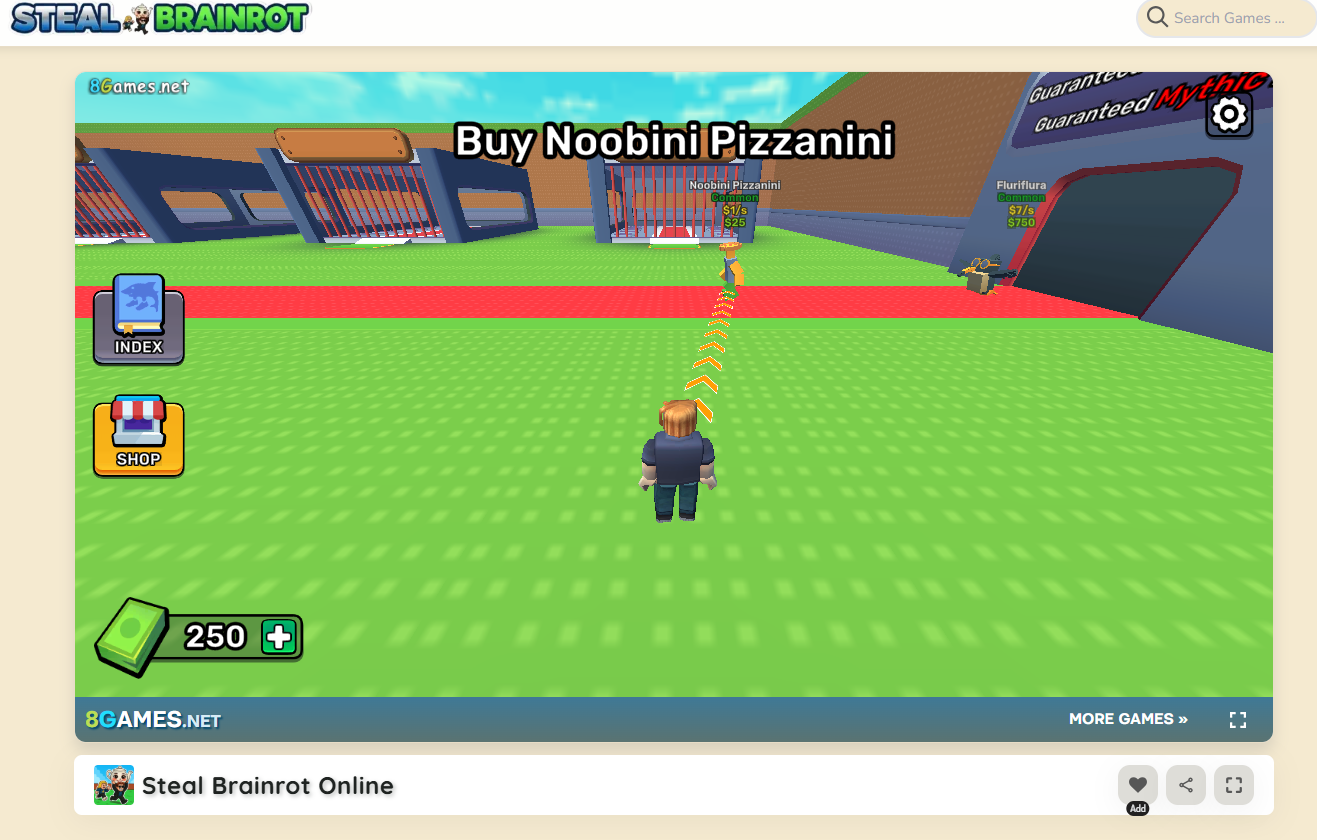
Steal Brainrot is a concept that blends chaotic humor, fast paced gameplay, and addictive progression loops often found in modern online games. It represents a style of interactive experience where players engage in stealing mechanics, resource competition, and unpredictable decision making. The term also reflects a broader internet culture where “brainrot” content refers to highly repetitive, entertaining, and attention absorbing gameplay.
In many cases, Steal Brainrot games are designed to keep players engaged through short sessions that quickly escalate into intense competitive moments. The combination of stealing mechanics and exaggerated progression systems creates a loop that encourages continuous play.
Core Gameplay Loop in Steal Brainrot
Resource Collection and Competition
At the center of Steal Brainrot gameplay is resource collection. Players gather items, points, or in game currency while competing against others in real time or asynchronous environments. The challenge is not only to collect resources efficiently but also to protect them from being stolen.
This dual pressure creates a dynamic environment where every decision matters. Players must decide whether to focus on offense, defense, or balanced progression.
Stealing Mechanics and Risk Systems
The stealing mechanics define the identity of Steal Brainrot. Players can invade other zones, intercept resources, or trigger stealing events that shift progress from one player to another.
These systems often include risk and reward balancing. High value targets are usually harder to steal, while low value targets are easier but less rewarding. This structure encourages strategic thinking and timing.
Progression and Unlock Systems
Progression in Steal Brainrot is typically based on leveling systems, unlockable abilities, or expanding territory. As players advance, they gain access to stronger tools for both stealing and defending.
Unlock systems often include cosmetic upgrades, power boosts, and special abilities that change how players interact with the core mechanics. This progression loop is a major reason why players stay engaged over long periods.
Strategic Approaches for Steal Brainrot Success
Early Game Focus and Stability
In the early stages of Steal Brainrot, stability is more important than aggression. Players should prioritize building a strong foundation of resources before engaging in risky stealing actions.
Efficient early game strategies include:
- Focusing on consistent resource generation
- Avoiding high risk encounters
- Learning map or system patterns
- Upgrading basic defenses before expanding
A strong early game position reduces vulnerability later.
Mid Game Aggression and Expansion
The mid game introduces more interaction between players. At this stage, Steal Brainrot becomes more competitive and aggressive strategies become viable.
Players often begin to:
- Target high value resource zones
- Intercept other players during collection phases
- Optimize movement and timing
- Use upgraded tools for faster raids
Success in the mid game depends on balancing aggression with resource protection.
Late Game Optimization and Control
The late game in Steal Brainrot focuses on dominance and control. Players who reach this stage often have strong defenses and advanced tools, making direct competition more strategic.
Key late game priorities include:
- Controlling high value zones
- Defending against coordinated attacks
- Maximizing efficiency of resource cycles
- Predicting opponent behavior patterns
At this stage, the gameplay becomes more about intelligence and timing rather than raw speed.
Psychological Appeal of Steal Brainrot
Reward Loops and Instant Feedback
One of the strongest elements of Steal Brainrot is the instant feedback system. Players receive immediate rewards or consequences after every action, which increases engagement and emotional response.
This design creates a loop where success feels rewarding and failure motivates immediate retry, leading to extended play sessions.
Competitive Pressure and Social Interaction
Steal Brainrot often includes competitive elements that simulate real player conflict. Even when players are not directly interacting, the presence of competing progress creates psychological pressure.
This competition encourages players to optimize strategies and stay active to avoid losing progress.
Humor and Chaos Driven Engagement
The “brainrot” aspect refers to chaotic, often humorous gameplay situations. Unexpected outcomes, sudden resource loss, or rapid reversals of fortune contribute to entertainment value.
This unpredictability is a core reason why the format remains engaging over time.
Advanced Tips for Mastering Steal Brainrot
Timing Based Decision Making
Timing is critical in Steal Brainrot. Players who act too early risk exposure, while those who act too late miss opportunities. Learning optimal timing windows improves success rates in both stealing and defense.
Map Awareness and Prediction
Understanding movement patterns and resource flow allows players to predict opponent behavior. This awareness helps in setting traps, avoiding ambushes, and maximizing resource efficiency.
Balanced Build Strategy
A balanced build approach ensures that players are not overly focused on either offense or defense. In Steal Brainrot, over specialization often leads to vulnerability.
Recommended balance includes:
- Moderate defense upgrades
- Steady offensive capability
- Efficient resource generation systems
Common Mistakes in Steal Brainrot Gameplay
Over Aggression in Early Stages
Many players attempt aggressive stealing too early, which often results in quick losses. Early game requires patience and stability rather than constant attacks.
Ignoring Defensive Systems
Failing to invest in defense leaves resources exposed. Even strong offensive players can lose progress quickly without proper protection systems.
Poor Resource Management
Inefficient use of collected resources slows progression. Smart allocation is essential for maintaining long term advantage.
Future Trends of Steal Brainrot Style Games
Steal Brainrot style games are likely to evolve with more complex systems, including advanced AI opponents, deeper progression trees, and more interactive multiplayer environments. Developers continue to refine stealing mechanics and reward loops to increase engagement.
Future versions may also introduce:
- More dynamic environments
- Real time global competition systems
- Enhanced customization options
- Smarter matchmaking systems
These improvements will continue to expand the appeal of the genre.
Conclusion
Steal Brainrot represents a unique blend of competitive mechanics, resource management, and chaotic entertainment design. Its gameplay structure rewards both strategic thinking and quick decision making. By mastering early stability, mid game aggression, and late game control, players can significantly improve performance and enjoy a more rewarding experience.