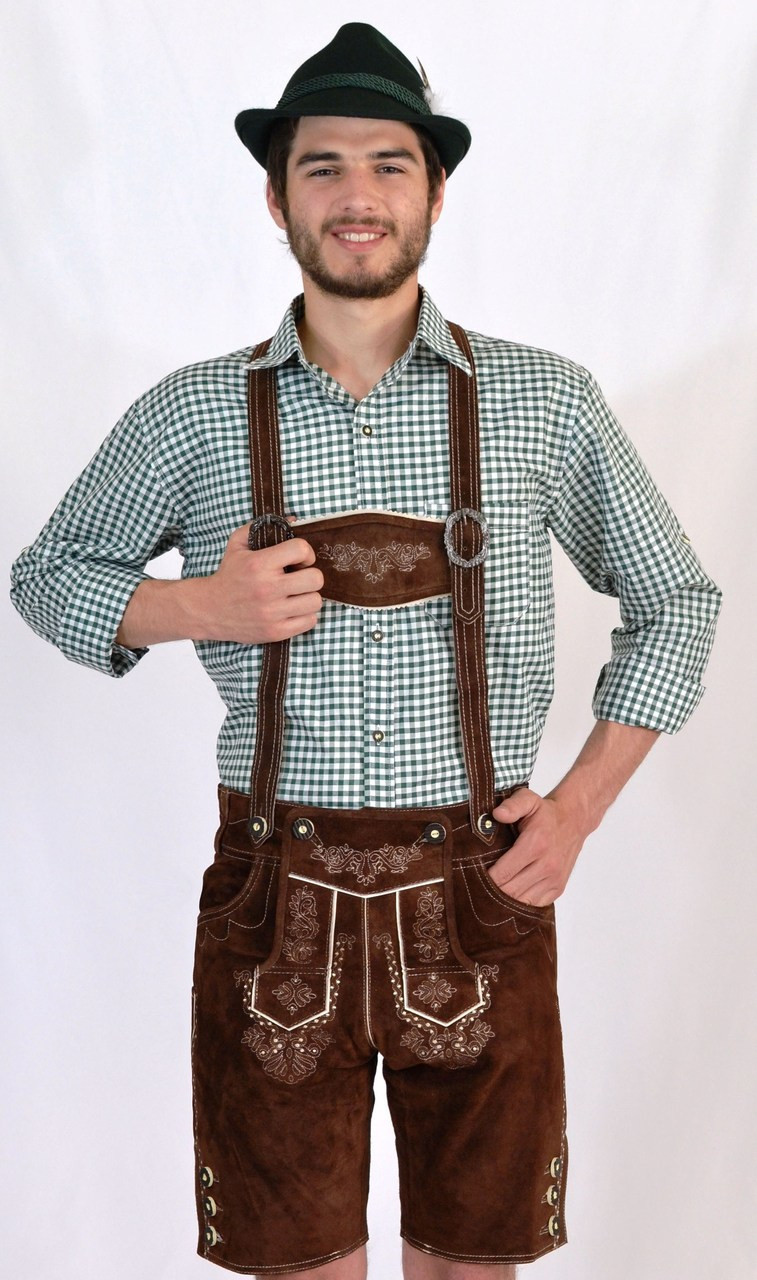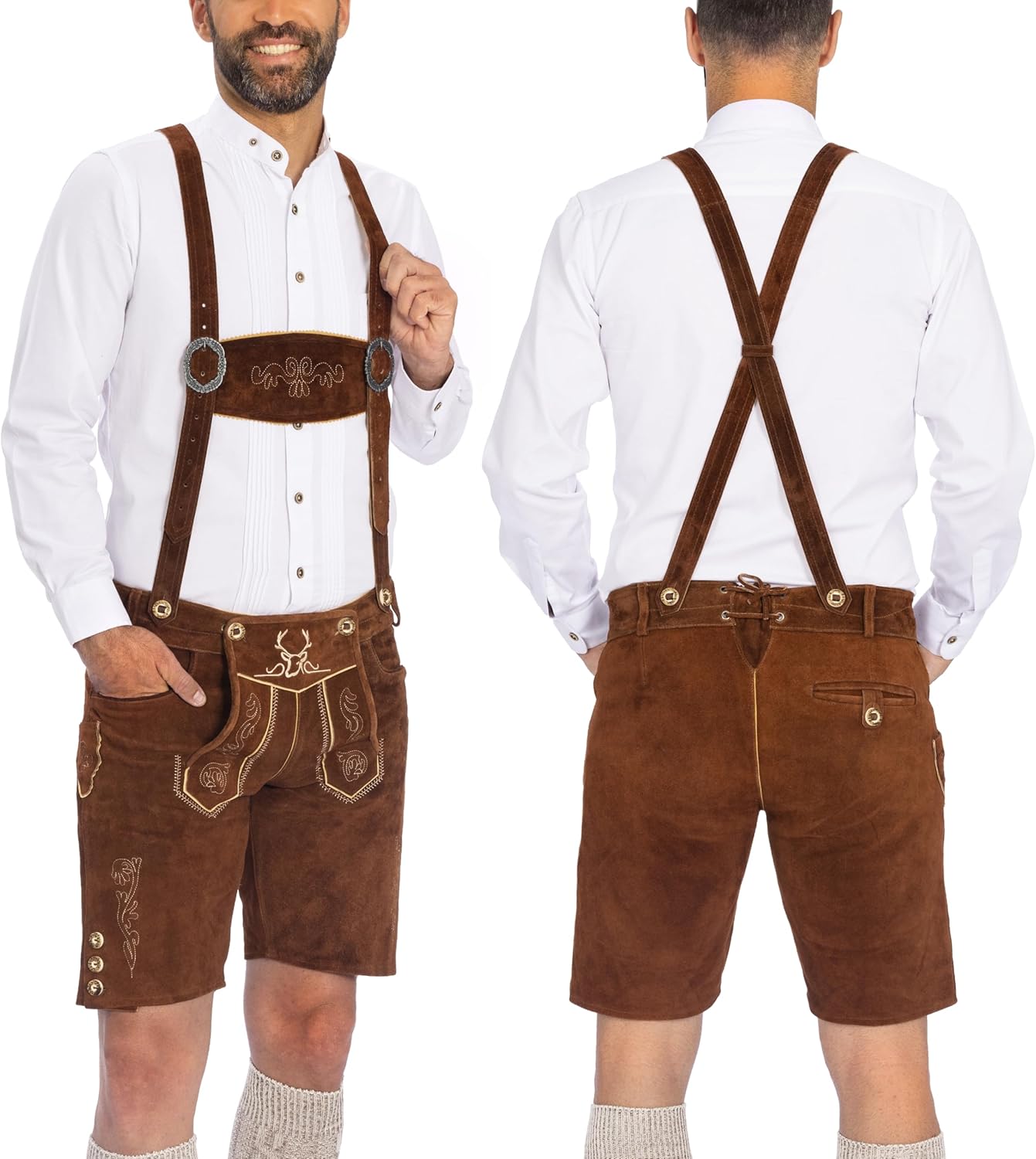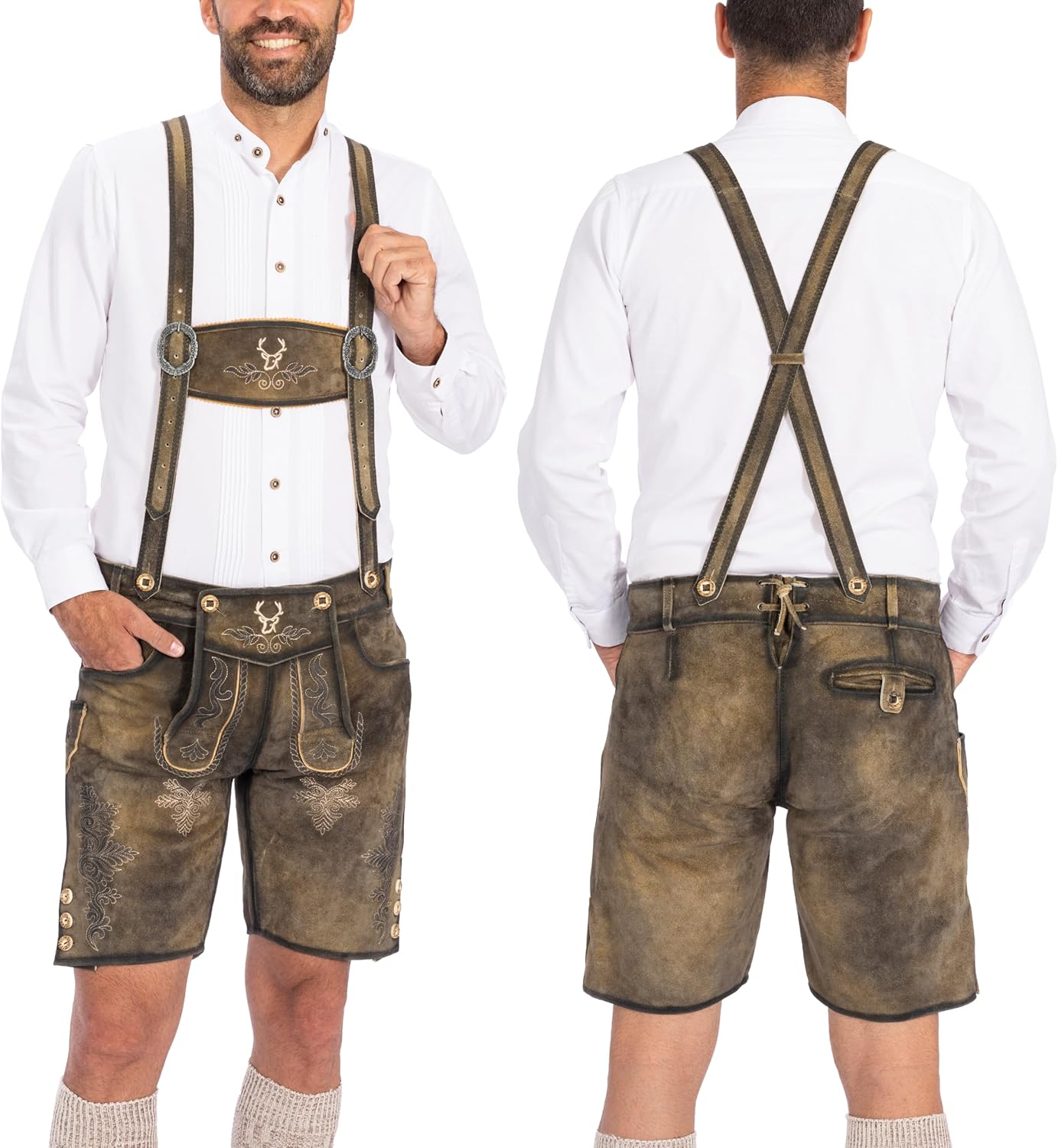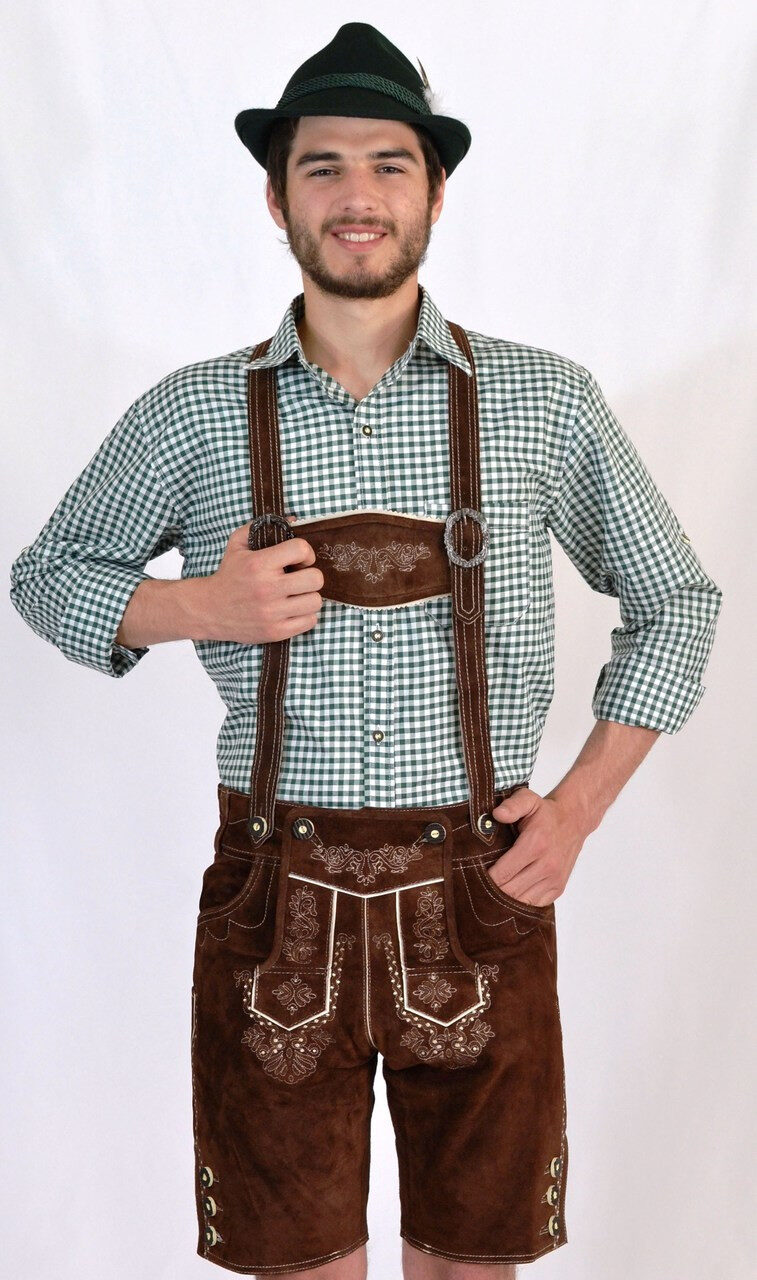
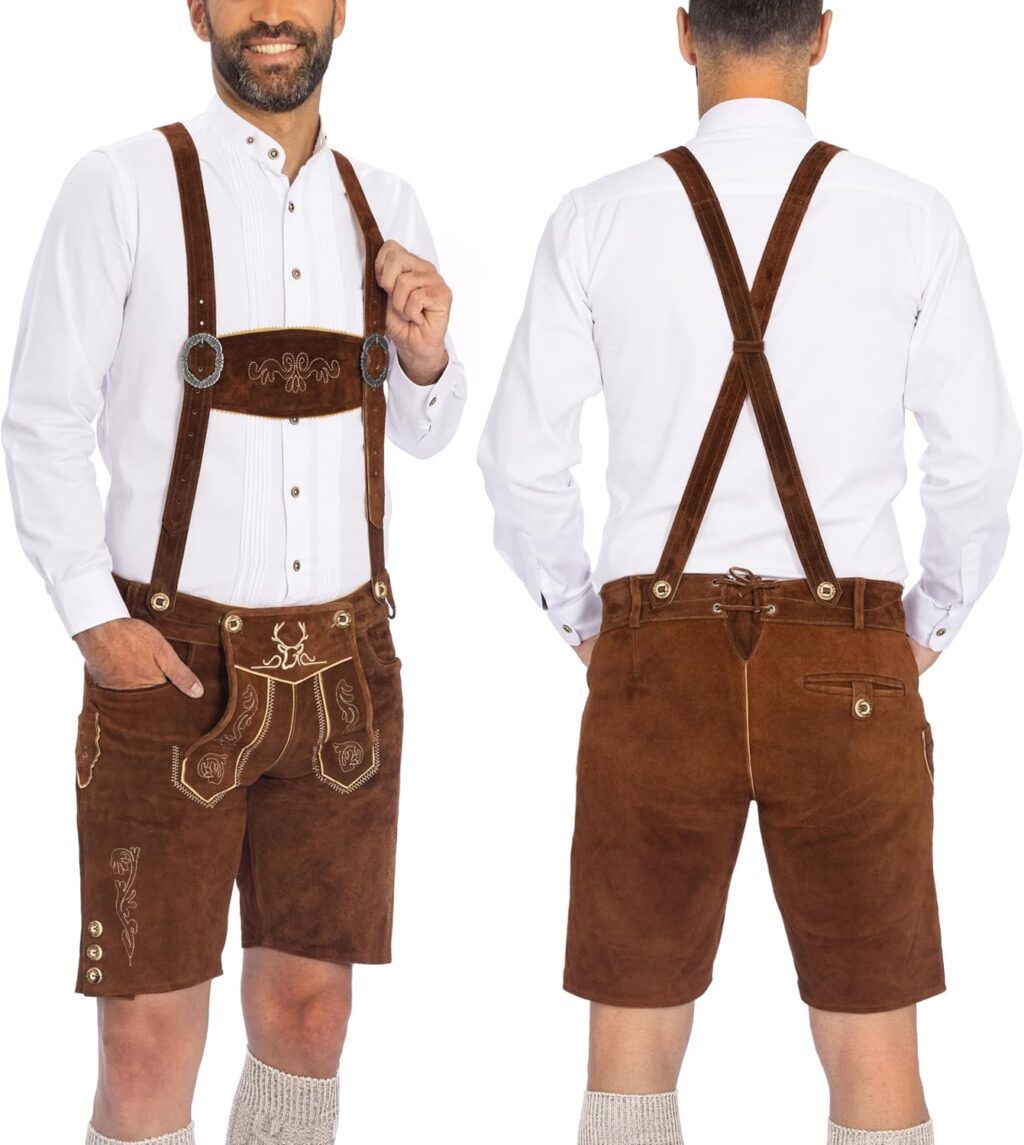
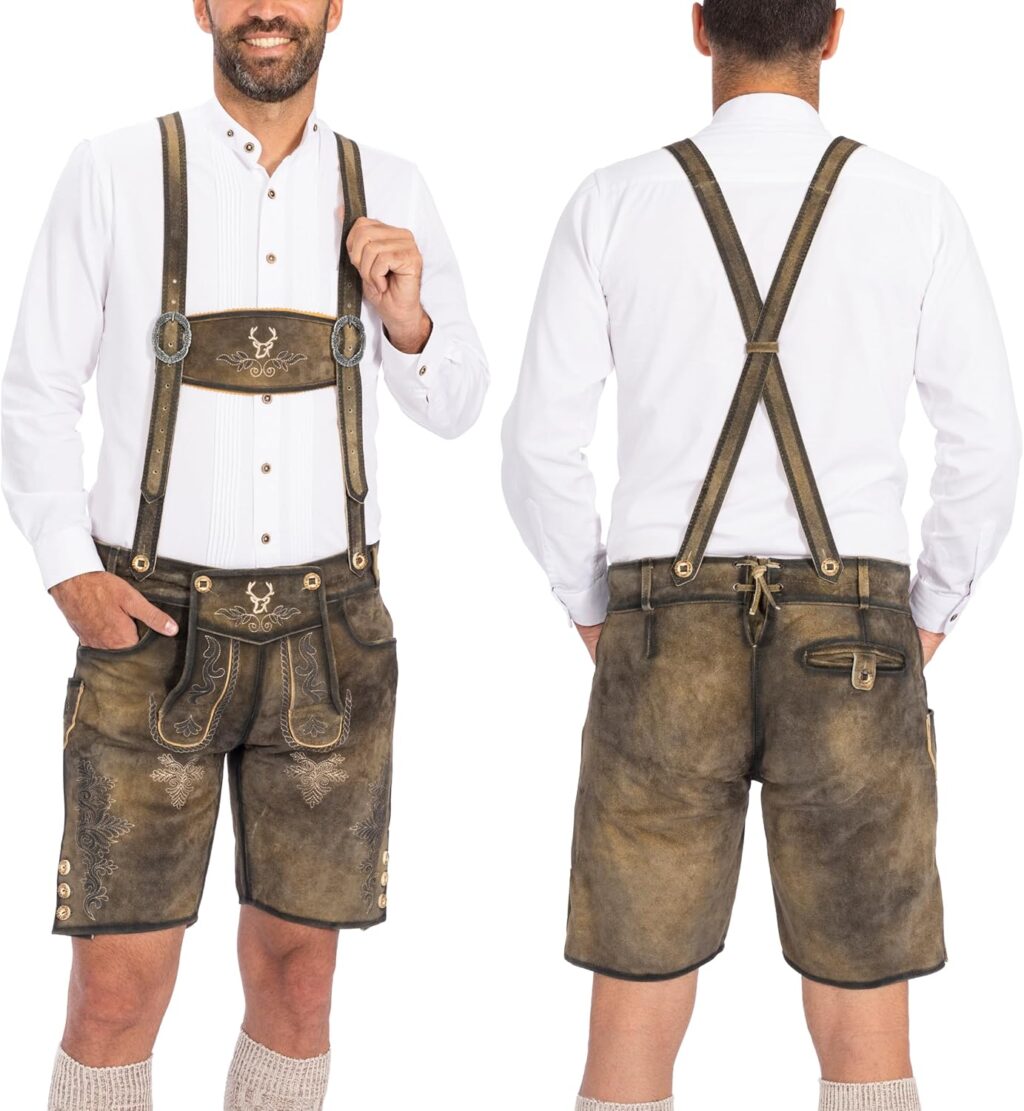
Men’s Lederhosen—those rugged, leather shorts often seen at Oktoberfest—have become a global symbol of Alpine culture. But where do they actually come from? The answer lies in the heart of Europe: Germany. More specifically, lederhosen originated in the Bavarian region of southern Germany, nestled near the Alps, where tradition, craftsmanship, and rugged outdoor life intersect.
A Glimpse into Bavarian Roots
In Bavaria, lederhosen were originally worn by peasants and laborers in the 18th century. The durable leather material made them perfect for hard work in forests, farms, and mountains. They weren’t just practical—they were a reflection of the wearer’s pride, often embroidered with symbols representing their region or family heritage.
Over time, what began as workwear evolved into a cultural staple, becoming an essential part of Tracht, the traditional clothing of the Alpine regions.
More Than Just German: A Regional Legacy
While Germany is the birthplace of lederhosen, neighboring countries like Austria and parts of Switzerland also embraced similar styles of Tracht. Each region added its own flair to the garment—different cuts, colors, and embroidery styles—making lederhosen a diverse expression of Alpine identity.
Modern Lederhosen: Tradition Meets Style
Today, lederhosen are no longer limited to farmers or hunters. They’ve become fashion statements worn proudly at festivals, weddings, and even casual gatherings. Thanks to brands like Alpen Lederhosen, modern versions stay true to their heritage while offering updated fits, materials, and styling options.
Final Thoughts
So, when someone asks “What country are lederhosen traditionally from?”, you can confidently say Germany, with roots deep in Bavarian culture. But the spirit of lederhosen stretches beyond borders, symbolizing tradition, resilience, and a timeless sense of style across the Alpine world.