Important Things Homeowners Should Fix Before Selling
Image by Freepik
Getting ready to sell your home can feel like standing in the middle of a to-do list that’s gained consciousness. But here’s the truth: not every project deserves your energy, and some will barely budge your bottom line. The key is knowing which upgrades buyers notice and which ones they’ll overlook — or even want to do themselves. If you want to sell smart, not just fast, here’s your walkthrough of what’s worth your time and what’s better left alone.
Start with what pays back: fix the visual low-hanging fruit
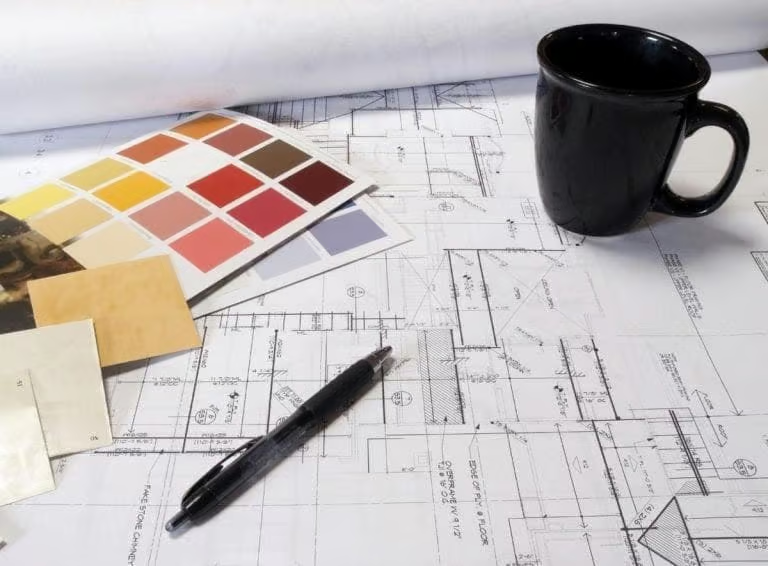
You don’t need to rip out walls or redo kitchens. Start with what people see first. Fresh paint is the unsung hero of home prep — it’s affordable, fast, and delivers instant refreshment. But it’s not about color trends. What you’re doing is offering visual clarity. Neutral tones let buyers imagine their own lives inside your home. That’s why a simple strategy to boost value with fresh paint can outperform costly renovations that eat into your net. Buyers might not notice your new roof right away, but they will feel the freshness of a clean, updated space.
Digitize everything — and let the buyer feel your receipts
Every home has a history. Most sellers forget to show it. Imagine being able to hand a buyer a full record: repairs, warranties, manuals, inspection reports. Organized. Transparent. Trust is built instantly. You don’t need a scanner or a filing cabinet. You just use a free scanner app like Adobe’s mobile tool. It turns your phone into a document assistant. One scan at a time, you’re quietly saying: this house is well cared for, and you’ll know exactly what you’re getting.
Curb appeal isn’t about landscaping — it’s about first breath
Forget expensive yard work. You’re not trying to win a gardening contest. You’re aiming for emotional cues — the kind that register before someone even steps inside. Add solar lighting to your path. Repaint your front door. Mulch the beds. These tiny signals, when added together, instantly enhance curb appeal cheaply. The goal isn’t to create a showcase — it’s to make potential buyers pause in the driveway and say, “This feels taken care of.”
Invest in what buyers can’t see — but will absolutely ask about
It’s easy to fix what you can touch. It’s harder to prioritize systems you forget exist until they break. But HVAC? That’s a trust-builder. It’s also an invisible lever for negotiation. A well-maintained unit can justify a higher asking price even if your bathroom tile looks dated. If a buyer walks in and the air feels stale or the furnace groans, they’re doing math in their head, and subtracting from your number. A simple tune-up and a clean filter can go further than new curtains.
Know what to leave alone — or risk sabotaging your leverage
Buyers aren’t afraid of cosmetic updates. They’re afraid of what’s underneath. Trying to cover damage instead of addressing it is where sellers lose credibility. Surface-level gloss won’t hide a foundation crack. And if buyers spot something patched over, they’ll mentally double the cost and buyers subtract double repair costs to hedge the risk. On the flip side, ripping out a functioning kitchen because it’s not Pinterest-perfect might backfire. You spent ten grand. They see a new project. Fix what feels broken. Leave what works.
Need help choosing what to fix?
Not every seller has a go-to contractor or a list of reliable vendors. Before you start making phone calls or guessing at costs, check out the Renovation Directory — a vetted network of pros who specialize in getting homes ready for market. Whether you need flooring repairs, electrical cleanup, or a full pre-sale spruce-up, the right specialist can help you move fast without overdoing it. Think of it as a shortcut to smart decisions. Instead of trial and error, you get aligned advice from people who’ve done this before.
Don’t just price to compete — price to win day one
The worst mistake isn’t underpricing. It’s overpricing and getting ignored. Once a home lingers on the market, buyers assume something’s wrong. And that first impression is almost impossible to reset. The psychology of pricing is subtle, but if you avoid overpricing traps, you position your home to get multiple interested buyers, which is the only real route to driving up your final sale price. The longer you wait to adjust, the worse your leverage gets. Start smart.
Prepping a house to sell isn’t about perfection. It’s about clarity, confidence, and believable care. You don’t need to do everything. You need to do the right things — the ones that tell a future buyer, “You’re walking into something solid.” So repaint. Mulch the front bed. Tune the AC. Print your receipts. Leave the funky tile. Then step back and let your house speak for itself.