Boost Rental Appeal: Fill Vacancies with Smarter Marketing
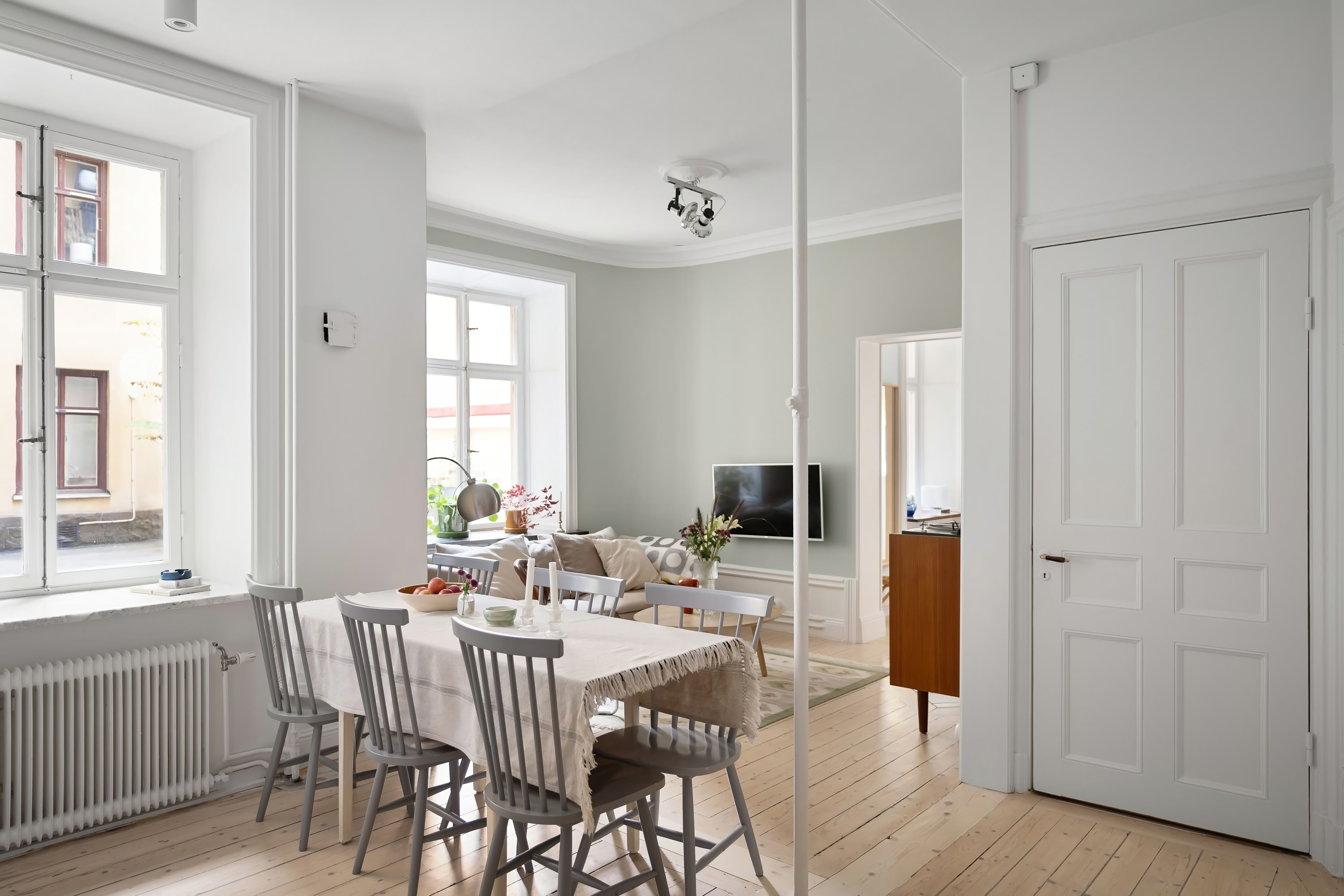
Photo via Pexels
For investment property owners who rely on steady cash flow, long-term tenant attraction has gotten harder in competitive rental markets. The core tension is frustratingly simple: listings can generate plenty of interest while still missing the renters who will qualify, stay, and treat the home well. Rental property marketing challenges often lead to wasted showings, last-minute fall-throughs, and quicker turnover that eats into returns. A smarter approach that pairs clear positioning with qualified tenant screening helps reduce noise and focus attention on the right applicants.
Quick Summary: Attract Long-Term Tenants Faster
- Improve property photography quality to make online rental listings stand out immediately.
- Highlight rental amenities with renter focused framing so the value is obvious at a glance.
- Explain location benefits clearly to help long-term renters picture daily convenience.
- Write clear property descriptions that set accurate expectations and attract better-fit tenant inquiries.
Make Listing Photos Look Trustworthy: A Simple Clarity Workflow
Those quick upgrades work best when your listing photos make the space feel as solid in pixels as it is in person. High-quality photos are often the first “showing” a long-term tenant gets, and they heavily shape whether someone keeps scrolling or clicks to inquire. Blurry, low-resolution, or poorly sized images can make clean, attractive rooms look dim, cramped, or dated, especially on listing platforms where shoppers compare multiple properties in seconds. Even when your rental has great light, thoughtful finishes, or a well-kept layout, soft details and pixelation can quietly signal neglect and reduce trust.
If retaking every photo isn’t realistic, AI-powered image upscaling can help you sharpen details, raise resolution, and improve overall clarity so your marketing materials look more polished and professional. Tools like the Adobe Firefly AI image enlarger feature can enhance older or undersized images so they hold up better on modern screens and in platform thumbnails.
Highlight the Renovations You’ve Made
If you’ve invested in upgrades, don’t keep them a secret. Whether you’ve remodeled the kitchen, updated the flooring, installed energy-efficient windows, or refreshed the landscaping, sharing these improvements can help attract quality tenants and justify your rental price. Keeping a clear record of completed renovations also makes it easier to showcase your property’s value over time. If you’re planning additional projects or looking for trusted professionals, Renovation.Directory is a helpful resource for finding renovation experts and services to support your next property improvement.
Build a Tenant-Focused Listing: Messaging, Amenities, and Location That Sell
Your photos get the click; your words and positioning earn the tour. Use these tenant-focused upgrades to enhance online rental listings, highlight the right amenities, and sell the neighborhood in a way that attracts committed, long-term renters.
- Lead with a “tenant fit” headline, not a feature list: Write a first line that signals who the home is for (and who it’s not). Try “Quiet top-floor 2BR ideal for remote work” or “Low-maintenance townhome close to commuter rail,” then support it with 2–3 proof points. This simple rental property messaging strategy reduces casual inquiries because it sets expectations before someone even scrolls.
- Turn your best photo into a benefits-first opening paragraph: Pull one strong image from your clarity workflow (usually the brightest living area or kitchen) and write 3–4 sentences that match what the photo promises: light, layout, storage, privacy, and condition. Example: “South-facing living room with space for a desk, updated flooring, and a separate dining nook.” When text aligns with visuals, your listing feels trustworthy and tenants assume the rest of the experience will be straightforward too.
- Prioritize 5–7 “high-impact” amenities and quantify them: Don’t bury your lede under every minor detail, feature the amenities that make day-to-day life easier for long-term tenants (parking, laundry, storage, HVAC, outdoor space, noise control). If you have a standout, say so clearly: garage parking can drive up rents by 8%, so it deserves a top billing line near the price. Add quick specifics like “in-unit laundry,” “dedicated storage cage,” or “fiber-ready,” not vague labels like “lots of amenities.”
- Sell the neighborhood with “distance + lifestyle” bullets: Create a short “Location perks” block with 4–6 bullets using real, scannable anchors: “7 minutes to the freeway on-ramp,” “0.4 miles to the grocery store,” “bike lane access,” “quiet side street,” “near major employer corridors.” This is emphasizing neighborhood benefits without hype, and it helps long-term renters picture routines, commutes, errands, and weekends, before they message you.
- Write descriptions that screen for long-term behavior (politely): Include 3–5 clarity lines that pre-answer the questions serious tenants ask: lease length, deposit, who pays which utilities, pet policy, parking rules, and move-in timeline. Add one “house rules” sentence that sets tone without sounding harsh, such as “Non-smoking home; we’re a good fit for residents who keep things tidy and communicate early about maintenance.” This kind of writing tenant-focused descriptions attracts stable renters who value clear expectations.
- Add a “proof + process” section to reduce back-and-forth: Close with a mini checklist: required documents, screening criteria (income multiple, credit, references), how tours are scheduled, and when decisions are made (for example, “applications reviewed within 24 hours”). Serious tenants like structure, and a transparent process nudges qualified people to act quickly while discouraging shoppers.
Reduce Vacancy Time With Tenant-Ready Rental Marketing Habits
Vacant days happen when a property blends into the crowd and serious renters move on before they ever reach out. The mindset that wins is simple: treat your listing and presentation like a tenant-focused offer, not a basic announcement, so the right people can quickly see the fit. Applied consistently, the effective rental marketing benefits show up as reduced rental vacancies, stronger tenant interest, and smoother screening that supports long-term tenant retention and rental property competitiveness. Better presentation attracts better tenants, and it does it faster. This week, you can pick one change to implement, rewrite the opening description for clarity or refresh the photos to match the best features. That consistency matters because stable occupancy protects cash flow and reduces the stress of constant turnover.