Essential Tips for First-Time Buyers to Master Rental Property Investing
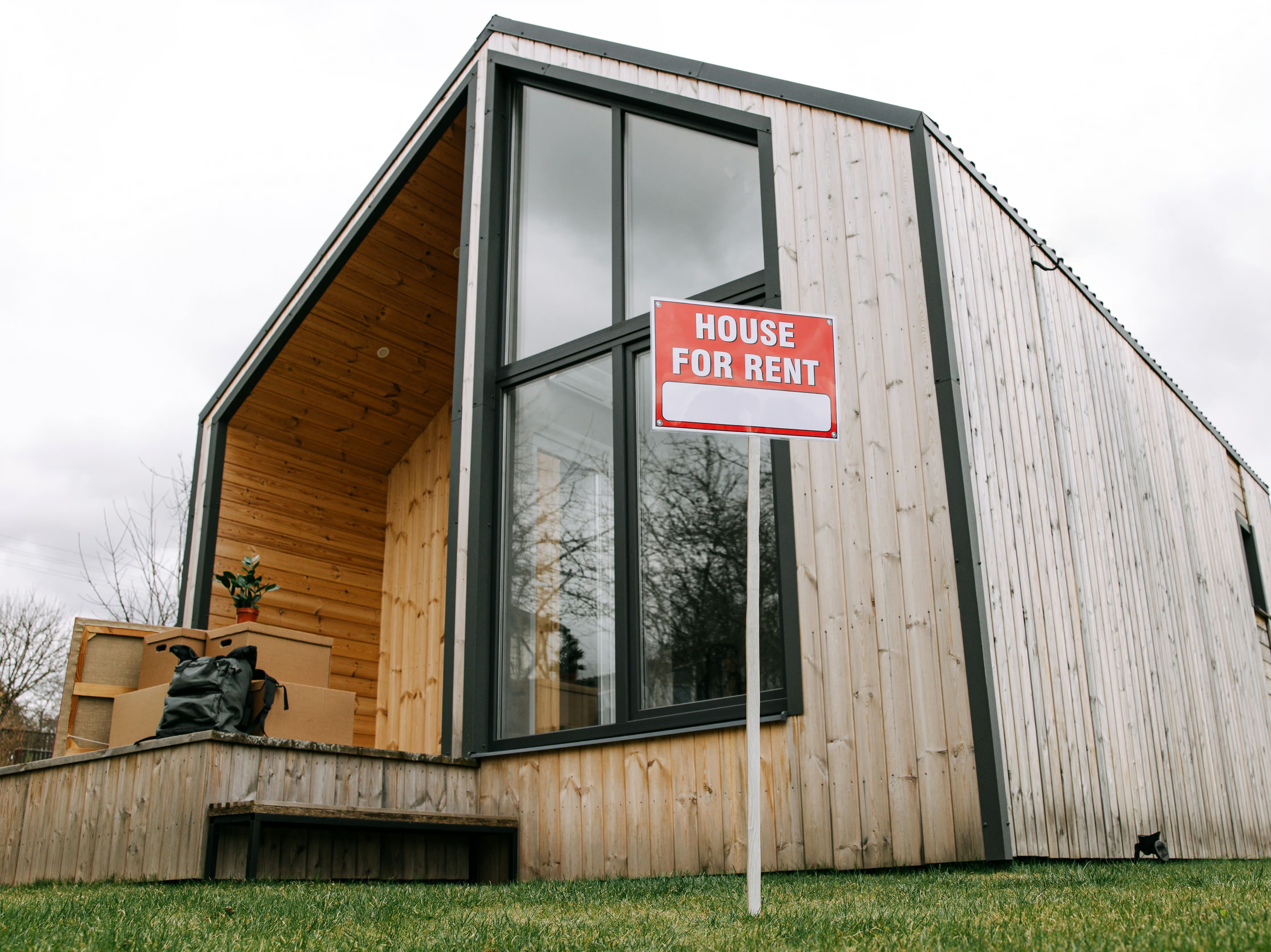
Image via Pexels
For first-time real estate investors, an investment property purchase can feel like a high-stakes decision with too many moving parts. The core tension is simple: the property investment opportunities look promising, but the rental property challenges, cash flow surprises, tenant issues, repairs, and unclear responsibilities, can turn “passive income” into stress fast. Most anxiety comes from missing real estate investing basics that clarify what to look for and what to plan for before committing. With the right foundation, that first rental can feel like a measured business move.
Quick Summary: Buy and Manage Your First Rental
- Prepare for mortgage approval by organizing finances and meeting key lender requirements.
- Evaluate properties by looking for features that support profitability and long-term demand.
- Follow an investment property buying checklist to compare options and avoid missed steps.
- Set up a property management plan that covers tenants, maintenance, and ongoing oversight.
- Track investment property financial metrics to confirm cash flow and understand what “good” looks like.
Build a Simple Roadmap to Buy Your First Rental
This roadmap helps you choose a loan, confirm you can qualify, run basic deal math, and pick a property type that fits your life. For general readers, it turns a big, unfamiliar purchase into a few clear decisions you can check off one at a time.
- Define your goal and “buy box”
Decide what you want the rental to do for you: monthly cash flow, long-term appreciation, or a mix. Set simple boundaries like price range, minimum bedrooms, and how hands-on you want to be so every next step stays focused. - Compare investment property financing options
Get quotes from at least two lenders and compare down payment, interest rate type, closing costs, and required cash reserves. Ask each lender to spell out how an investment loan differs from a primary-home loan so you do not get surprised by higher upfront cash needs. - Check mortgage qualification criteria early
Review your credit, income, and existing debts and fix anything obvious before you shop seriously. Confirm what paperwork you will need, then build a “mortgage folder” so your application is clean and fast when you find the right place. - Underwrite the deal with quick, basic numbers
Estimate monthly rent conservatively, then subtract the big recurring costs: mortgage payment, taxes, insurance, repairs, and vacancy. Build your assumptions from gathering and analyzing data such as local demand, competing listings, and what similar homes actually rent for, not just what you hope to charge. - Choose the property type that matches your time and risk
Compare options like a single-family home, small multifamily, or a condo based on how much maintenance and tenant complexity you can handle. Use market research to sanity-check your choice against local job growth, population trends, and neighborhood momentum.
Turn a Home Into a Compliant Short-Term Rental—Step by Step
Turning a home into a short-term rental can be profitable for first-time investors, but success depends on doing the unglamorous prep work upfront and staying disciplined after launch. Start with careful market research so you’re not guessing about demand, seasonality, or what guests will actually pay. Then plan for property preparation, getting the space truly guest-ready, because your initial setup affects both revenue potential and wear-and-tear. From there, treat ongoing maintenance as part of the business, not an occasional chore, since frequent turnover can surface small issues quickly.
Just as important is compliance: short-term rentals are often governed by local regulations that can affect what you’re allowed to do and how you operate, so build those rules into your expectations before you commit. When you’re ready to get the details on launching a short-term rental business, use a step-by-step playbook to keep research, setup, operations, and compliance aligned.
Finally, don’t assume your homeowners policy has you covered, standard coverage commonly excludes short-term rental activity, so look into specialized liability coverage to protect against guest injuries and damage claims as you operate.
Run It Like a Pro: Systems for Smooth Landlording
The easiest way to protect cash flow after closing is to treat management like a repeatable operation, not a series of emergencies. Build a few simple systems now, and you’ll spend less time reacting and more time steering the numbers.
- Turn your tenant screening into a written workflow: Create a one-page checklist that covers your application, income verification, prior landlord references, background/credit criteria, and your “approve/deny/conditional” decision rules. A written process keeps you consistent (and fair) when you get a “seems nice” applicant who doesn’t meet your standards. Store everything in a single folder per applicant so you can answer questions quickly if a screening decision is ever challenged.
- Use a tenant management system, even if you only have one door: Set up one place for rent collection, lease docs, maintenance requests, and message history so you’re not hunting through texts and email threads. Require all requests to be submitted through that channel and reply there, which creates a clean paper trail if a dispute shows up later. If you’re running a short-term rental, this also supports the operational discipline you used for pricing, turnover, and house rules; consistency is what keeps reviews and revenue stable.
- Run maintenance like preventive medicine (not urgent care): Make a 12-month calendar with “no-brainer” tasks: HVAC service, gutter cleaning, smoke/CO detector checks, water heater inspection, and seasonal weatherproofing. Schedule an annual unit walkthrough with a short inspection template and photos, then log anything that’s “not broken yet” but trending that way (slow drains, minor leaks, loose railings). The goal is fewer weekend surprises and more predictable expenses.
- Coordinate vendors with standards, not improvisation: Build a vendor packet that includes your scope expectations, response times (emergency vs. routine), photo documentation requirements, and invoicing rules (labor/materials broken out, before/after photos). Set minimum insurance requirements for anyone entering the property, General Liability minimum $1M per occurrence is a common baseline, then keep certificates on file and calendar renewal dates. This protects you from getting dragged into a claim because a contractor wasn’t properly covered.
- Tie every work order to a record you can audit: Track each request from “reported” to “scheduled” to “completed,” attaching photos, invoices, warranty info, and notes about what caused the issue. Facility maintenance management software keeps service requests and work history connected, but a well-structured spreadsheet can work if you’re disciplined. This history helps you spot repeat problems (and repeat vendors), justify rent increases tied to improvements, and defend deposit deductions with documentation.
- Review landlord insurance coverage like a business risk plan: Ask your agent to walk you through dwelling coverage, liability, loss of rents, and what’s excluded (water damage types, vacancy rules, short-term rental activity). Re-check coverage anytime you change how the property is used, long-term to short-term, adding amenities, or doing major renovations, because your “compliant” operating plan only works if the policy matches the real operation. Keep your deductible at a level your reserve fund can actually handle.
- Schedule rental compliance requirements the same way you schedule rent: Put license renewals, required inspections, tax filings, and safety device replacements on a compliance calendar with reminders 30/60/90 days out. Keep a “proof folder” with permits, inspection reports, and any short-term rental registrations so you’re ready if the city, HOA, or a platform asks for documentation. A missed renewal can turn into a forced vacancy, one of the fastest ways to turn a good pro forma into a bad month.
Rental Property Q&A to Reduce First-Time Uncertainty
Q: What are the key steps I should take when purchasing my first investment property?
A: Start with a clear buy box, a financing pre-approval, and a written budget that includes reserves, insurance, and expected repairs. Then confirm local landlord requirements early, since missing a compliance item can delay move-in or force costly upgrades. Build your lease, screening criteria, and documentation plan before you accept applications so decisions feel consistent, not emotional.
Q: How can I assess whether an investment property is likely to be profitable?
A: Stress-test the numbers with conservative rent, vacancy, and repair assumptions, then see if cash flow still works. Include legal and operating costs you cannot skip, plus a cushion for tenant turnover and disputes. If you feel nervous about risk, remember that even renters often think about perceiving owning as risk, so building buffers is a smart business move.
Q: What types of properties tend to offer the best returns for first-time investors?
A: Look for properties that are easy to maintain, easy to insure, and easy to re-rent, not just “high rent” on paper. Modest single-family homes and small multifamily units often work well because demand can be steadier and repairs are more predictable. Also consider regulations and upgrades, since an EPC rating of C or above can affect older inventory.
Q: How do I decide if I should manage my rental property myself or hire a property manager?
A: Self-managing can work if you can respond quickly, keep detailed records, and stay calm during conflict. Hiring help may be worth it if your schedule is tight, you live far away, or you want a buffer for tenant communication and dispute handling. Decide using a simple scorecard: time available, comfort with fair-housing rules, and your ability to enforce the lease consistently.
Build Confidence and Momentum in Your First Rental Property
Buying a first rental can feel like a constant tug-of-war between excitement and the fear of costly mistakes. The steadier path is treating the property like a business: lean on clear assumptions, written plans, and investment property preparation that matches real risks to real numbers. That mindset turns real estate investment motivation into property investment confidence, and it keeps the starting rental property journey focused on decisions instead of doubts. Confidence comes from preparation, not prediction.