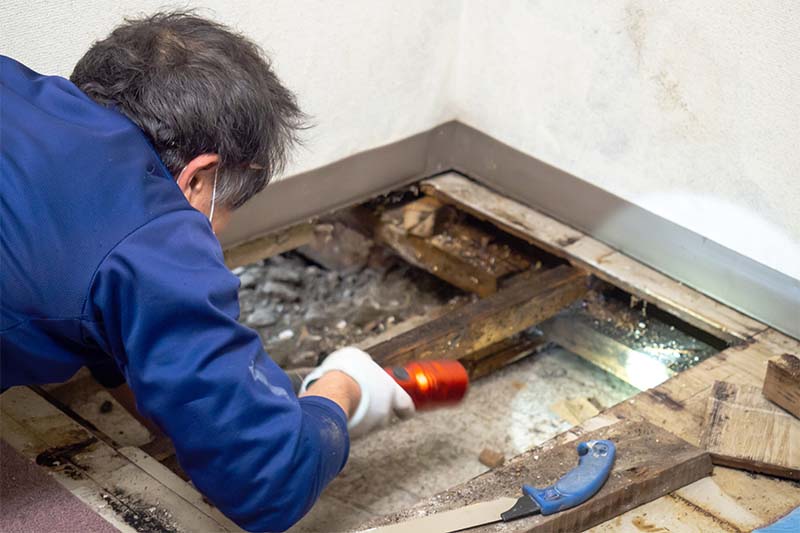

Have you ever noticed a musty smell in an area, such a restroom or a basement? The presence of mould and mildew is almost certainly due to the lack of preventative measures. Black mould remediation can be time-consuming and even frustrating at times, but it is usually feasible. Access to the mould, as well as your own skills and protective gear, as well as any potential allergic reactions, are just a few of the variables that could affect the outcome. Here are a few things to consider before deciding on a do-it-yourself method of mould remediation, because knowledge is power.
In other words, what exactly is black mould?
The species of black mould most frequently encountered is Stachybotrys arta. Mold thrives in damp environments and is commonly discovered in damp basements, around leaking water pipes, in steamy showers, and in musty laundry rooms. The fungus thrives in damp, dark places. It’s not dangerous at all until it’s fully grown and ready to reproduce. Mold begins its life as a bright yellow tint but quickly develops into a variety of darker shades, including green, brown, and even black, as it grows and spreads. Now more than ever, you must take measures to protect your family’s health. To protect your family’s wellbeing, mold removal attic is now required.
Is It Risky to Get Rid of Black Mold?
Black mould remediation shouldn’t pose too many risks for individuals who have the right gear. You might be doing more damage than good by not wearing a mask to keep mould spores out of your lungs. At all times, appropriate safety gear, such as non-reactive gloves, must be worn. Since many different chemicals may be utilised, it’s important to store them in containers that won’t trigger reactions. When diluting chemicals with water, it is imperative that the water be cold and that the chemical be added to the water first, rather than the other way around. In the event that the chemical is added to water and causes a splash, it is more likely than not that the liquid splashed out is water.
Method of Elimination
Chlorine bleach is the go-to chemical for killing black mould. To disinfect a gallon of water, use two cups of bleach. With this adjustment, the chemical will be effective enough to eradicate the mould. It’s possible that you’ll need a firm scrub brush that you’ll never use on anything but the surface you’re cleaning. The scrub brush is useful for cleaning cement, drywall, brick, and wood, among other surfaces. Drywall begins to disintegrate when exposed to too much water. Scrubbing the mould away requires dipping the brush in water and then using it. Wear protective gear to shield yourself from the bleach and the mould. This includes a mask, goggles, and gloves. Once the mould has been removed, fill a spray bottle with the same water and bleach solution and softly spray the area before wiping with a dry towel to prevent further mould growth.