Planning and Paying for Home Updates After 55
For homeowners over 55, the house that once felt effortless can start pushing back in small, daily ways, an awkward step into the tub, a dim hallway at night, a door that suddenly feels too narrow. The core tension is simple: many people want to stay put, but common aging-in-place challenges can quietly chip away at long-term home comfort and the confidence that supports independent living for seniors. Waiting until a fall, a surgery, or a mobility change forces decisions often leads to rushed choices and higher stress. Thoughtful accessible home renovations turn the home into a steady ally instead of an obstacle.
What Practical Aging-in-Place Renovations Mean
Practical aging-in-place renovations are updates that make daily routines easier and safer as your needs shift. Think accessible bathroom upgrades, brighter lighting, sturdier handholds, and small layout changes that reduce strain without making the house feel “clinical.”
This matters because comfort is not just a luxury, it is what keeps mornings predictable and evenings less stressful. These projects can also be financially sensible, since a midrange bath remodel can return about 80% ROI at resale while improving life right now.
Picture replacing a high tub wall with a walk-in shower, adding a handheld sprayer, and improving the light over the vanity. You gain steadier footing, easier cleaning, and a space guests of any age can use comfortably. With the goal clear, it helps to keep every estimate, contract, and warranty in one living PDF.
Build a One-File Paper Trail for Every Upgrade
Once you start turning those aging-in-place ideas into real projects, the paperwork can get as important as the paint color. Keeping renovation estimates, contracts, warranties, financing paperwork, and maintenance records in one organized place makes it easier to compare options, confirm what you agreed to, and quickly answer questions that come up during, and long after, the work is done. Saving everything as PDFs helps because the files are easy to store, search, and share with a contractor or family member without hunting through folders or fading paper copies.
A simple approach is to maintain one living PDF per upgrade and keep updating it as plans change. When new pages arrive (a revised estimate, a signed contract, a warranty sheet, a receipt), you can use a free online tool for adding pages to a PDF, and you can also reorder, delete, and rotate pages so the newest version stays clean and readable. There’s another resource here if you’d like to learn more.
Use This Upgrade Checklist to Stay Mobile-Friendly
Aging-in-place updates work best when you treat them like a menu: choose what improves safety today while quietly preparing for tomorrow. Use the checklist below room by room, and log each decision in your one-file paper trail, photos, measurements, estimates, and “why we chose this” notes, so you can price, phase, and revisit upgrades without starting over.
- Do a “path-of-travel” sweep (the easiest win): Walk from your car to the bathroom to the bedroom, then repeat it at night. Fix trip hazards first: remove loose rugs, tack down edges, and route cords along walls. Measure the narrowest pinch points (hallways, tight turns, doorway clearances) and add those numbers to your living PDF so every contractor quotes the same scope.
- Upgrade entryway access before anything else: Entryway modifications pay off daily: add a zero-step threshold or a small ramp, install a second handrail, and improve drainage so water doesn’t freeze where you step. If stairs are unavoidable, consider contrasting stair-edge strips and a landing you can pause on with groceries. Keep a folder page for “entry” with before/after photos, helpful for warranty claims and future resale questions.
- Swap slippery surfaces for non-slip flooring in high-risk zones: Prioritize bathrooms, kitchens, and the route from bedroom to bathroom. Choose flooring with real traction when wet, and avoid thick transitions between rooms that catch toes or walkers. If a full replacement isn’t in the budget, start with targeted solutions, non-slip coatings or replacing just the worst section, and document product specs in your paper trail.
- Install accessible lighting upgrades you can live with at 2 a.m.: Add bright, even lighting in hallways, stairs, and closets, and use motion-sensing night lights for the bedroom-to-bathroom run. Place switches where you can reach them without stretching; the NAHB aging-in-place checklist notes controls should be in accessible locations with many no higher than 48 inches from the floor. Record switch heights and fixture locations so any electrician can quote changes quickly.
- Make bathrooms “steady-hand friendly” (small changes, big confidence): Add grab bars anchored into blocking, a comfort-height toilet, and a handheld showerhead with a reachable control. If you’re renovating, consider a curbless shower with a trench drain and a built-in bench. Keep a single page in your PDF with stud locations and bar backing notes, this prevents costly guesswork later.
- Plan widened doorways where mobility devices will actually go: Focus on bedroom, bathroom, and any tight doorway on your main living level. When widening isn’t feasible, alternatives like offset hinges or re-hanging the door to swing out can gain usable clearance without major framing. Capture your chosen approach (and measurements) in the file so you can compare bids apples-to-apples.
- Create one no-compromise “main-level living” setup: If stairs may become harder, build redundancy now: a main-level sleeping option, a nearby bathroom you can access easily, and a spot to sit while dressing. This is where many mobility-friendly renovations bundle together, lighting, flooring, doorway clearance, and bathroom access, so track the bundle as a single project with one budget line.
Financing Aging-in-Place Updates: Common Questions
Q: How do I decide between paying down my mortgage and remodeling?
A: Start by separating safety upgrades from nice-to-haves. If a change reduces fall risk or makes the main level workable, it usually earns priority even if you are still carrying a mortgage. Ask your lender how extra principal payments compare with the interest rate on any renovation financing.
Q: What if I am afraid renovations will derail my retirement plan?
A: Treat upgrades like a recurring budget category, not a one-time splurge, and cap what you will spend each year. Many retirees underestimate how much healthcare expenses in retirement can crowd out other goals, so build in breathing room before committing to a big project.
Q: Which funding options reduce stress the most?
A: For smaller jobs, cash plus a dedicated “house fund” often feels simplest. For larger scopes, a fixed-rate home equity loan can offer predictable payments, while a HELOC can work for phased projects if you can handle variable rates.
Q: When does it make sense to phase upgrades instead of doing a full remodel?
A: Phase when you can get 80 percent of the benefit from targeted work, like lighting, flooring fixes, or a bathroom refresh, and save structural changes for later. This also limits the time your home is disrupted and keeps bids competitive.
Q: Can I justify these upgrades if I might sell in a few years?
A: Yes, because many improvements are “invisible value,” meaning fewer accidents, easier daily routines, and less caregiver strain. With the typical home age rising, updates that modernize worn systems can also make your home easier to market.
Planning Aging-in-Place Updates That Support Independence for Years
It’s hard to balance comfort, safety, and costs when the home needs updates but retirement timelines and cash flow aren’t unlimited. The steadier path is planning aging-in-place projects with clear priorities, honest numbers, and decisions documented as you go, rather than chasing a long wish list. That approach makes the home renovation benefits tangible, better daily ease now and stronger long-term renovation outcomes that protect senior home independence. Start with one high-impact project and let the plan grow from there.
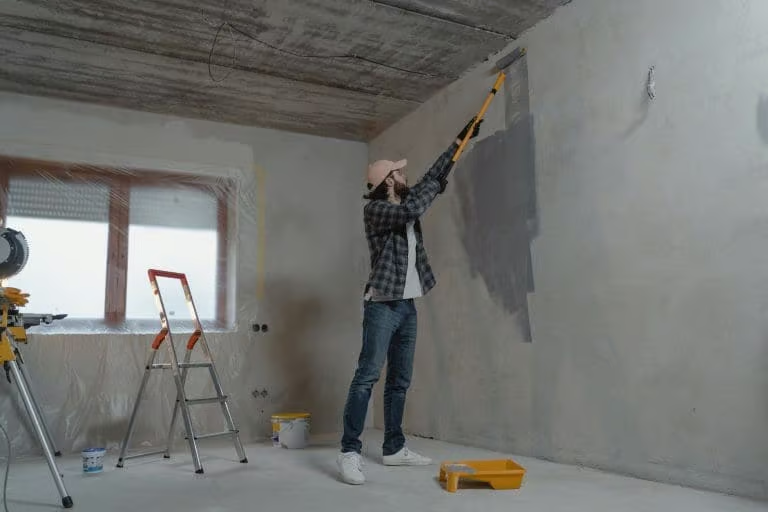
Image via Pexels