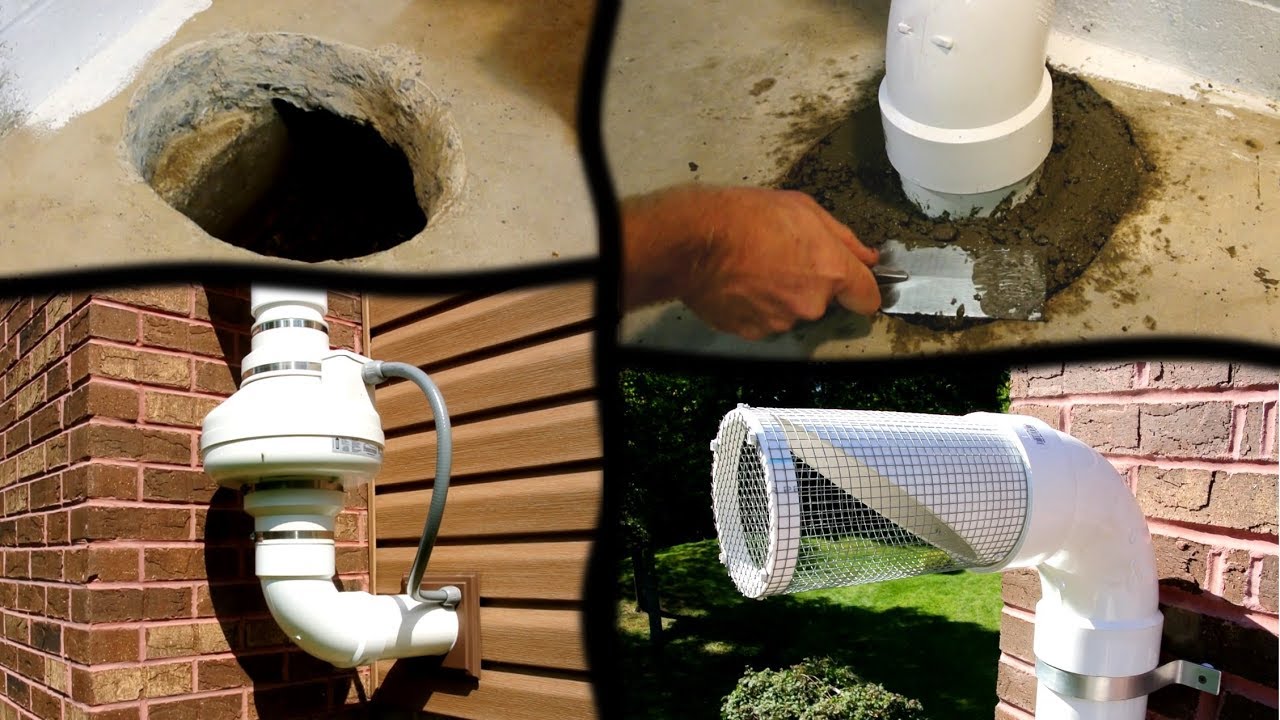
Asthma, allergies, respiratory tract infections, fungal infections, and skin problems are just some of the health issues that can arise from being exposed to mold on a regular basis, whether at home or at the office. A mold inspection should be conducted by a toronto radon removal professional if any of these symptoms persist over time, as they could point to a larger problem with the building’s infrastructure. Defining mold at a high level is a prerequisite to discussing the steps involved.
Mould is a type of fungus that grows from tiny spores on organic material like plants and animals. Invasion occurs when it is carried in the air or on the bodies of people, animals, or other things and then released inside a dwelling. To thrive and spread without hindrance, it needs food and water. Wood, paper, and textiles, all examples of decomposed organic matter, are good sources of these nutrients. It can only spread in humid environments because it needs water to grow. Because temperatures over 100 degrees Fahrenheit are lethal, it tends to thrive in cooler regions.
Basements, clothes dryer vents, crawl spaces, houses on sloping lots, excessive indoor humidity, humidifiers, vaporizers, and poor ventilation are all potential sources of moisture where this could be an issue. Sick Building Syndrome is a condition that can affect commercial buildings and is characterized by frequent complaints about poor indoor air quality and the onset of respiratory symptoms among the building’s regular occupants. Inadequate ventilation is the primary cause of SBS, and chemical pollutants from interior sources such as upholstery and cleaning products can contribute to this problem. Inadequate building standards are also a problem. It is estimated that as much as 30% of commercial buildings have some sort of SBS problem.
Owners of commercial and residential properties should always consult experts prior to conducting inspections on their properties. Certified Mold Inspector, Certified Mold Remediator, or Certified Environmental Hygienist are all appropriate titles for someone who has completed formal training in mold detection and remediation.
Common allergens such as animal dander, dust mites, cockroaches, or radon gas are also tested for, as well as the quality of the drinking water and the paint on the walls. Stachybotrys is the most harmful kind of black mold and should be eradicated without delay.
Following the findings of the inspection, the specialist will proceed to remove the affected materials, be they wallpaper, sheetrock, carpeting, or tiling. Naturally, contamination can happen anywhere in the building, and the testing needs to be able to detect it.
The technician should dry the damp areas to prevent further moisture accumulation and subsequent difficulties. In addition, he or she needs to instruct the property owner on how to improve ventilation in the home or building and stop mildew growth in the future.
A mold inspector’s services include preventing the mold from spreading to other parts of the building, eliminating the mold that is already there, removing the spores that have died, and protecting the cleaned area from future infestations.